Prehab & Rehab

The outcome of surgery is shaped as much by preparation and recovery as by the operation itself. This page sets out exactly how to get ready for surgery and what to expect in the weeks and months that follow.

Consultations

Surgery should never feel rushed. Mr. Blackburn is happy to see you for as many preoperative appointments as you need to ensure that your expectations are well understood, your concerns have been addressed, and that the planned procedure is right for you at this point in your life.

The right operation at the right time, tailored to your personal circumstances, is always the priority. There is no pressure to proceed until you feel fully prepared and confident.

Before your operation — for all patients

  • Read your consent forms: Carefully read all Concentric consent documentation before your preoperative appointment. Come prepared with any questions or concerns.

General Prehabilitation

Arriving at surgery in the best possible health reduces your risk of complications and speeds your recovery. There are four pillars that matter most.

Eat Well

A balanced, nutritious diet supports wound healing and immune function. Avoid unusual supplements, herbal remedies, and high-dose vitamins in the weeks before surgery — many affect bleeding and anaesthesia.

Stable Weight

Surgery should take place when your weight has been stable for at least three months. Significant weight fluctuation after body contouring surgery can affect your result and increase the risk of complications.

Stop Smoking & All Nicotine

Nicotine — in any form — significantly impairs wound healing and increases the risk of infection, tissue loss, and anaesthetic complications. This includes cigarettes, vaping, patches, gum, lozenges, and any other nicotine replacement products. You must stop all nicotine at least six weeks before surgery and remain nicotine-free throughout your recovery.

Exercise Regularly

Cardiovascular fitness improves your resilience to the physical demands of major surgery. Regular walking, swimming, or cycling in the weeks before your operation will support a faster recovery.

Additional Preparation for Body Surgery

Patients having abdominoplasty, DIEP flap reconstruction, or other body contouring procedures have specific preparation requirements in addition to the general advice above.

In the weeks before surgery

  • High-fibre diet (abdominoplasty & DIEP patients): Increase dietary fibre and take Metamucil (psyllium husk) regularly in the weeks before surgery. Bowel function is temporarily reduced after major abdominal surgery, and good fibre intake beforehand significantly reduces discomfort and straining during recovery.
  • Wear your compression garment (abdominoplasty & DIEP patients): A couple of weeks before surgery, wear your Lipoelastic VH-comfort girdle continuously — day and night — for three consecutive days. This acclimatises your body to the degree of compression and abdominal tightness you will experience after surgery, significantly reducing the discomfort of waking up in a garment postoperatively.

Your Recovery Timeline

Recovery after major surgery follows a predictable pattern. Scar tissue takes six weeks to reach approximately 75% of its final strength — this is the science behind the timeline below, not arbitrary caution.

Week 1
Listen to your body

Gentle mobilisation

Rest is important but gentle movement prevents complications. Most patients are going for short, modest walks by the end of the first week. For the first six weeks, heavy activity is significantly reduced. Let your body lead — do not push through pain.

Weeks 3–4
Listen to your body

Driving resumes

Most patients are able to drive again between three and four weeks after surgery, once they are no longer taking regular pain medication and can perform an emergency stop safely and confidently.

Week 6
Six-week review

Your six-week "MOT" with Mr. Blackburn

At six weeks you will be reviewed in clinic. This is the point at which scar tissue reaches sufficient strength to tolerate increasing demands. Patients who are progressing well enter the next phase of recovery.

After Week 6
"Use it or Lose it" phase

Increasing activity

After your six-week review, the approach changes. You should now gently push through minor discomforts rather than avoiding them. This is the time to begin structured rehabilitation: Couch to 5K, beginners' gym classes, Pilates, or yoga are all appropriate starting points.

3 Months
Full activity

High-impact and explosive activity

Running, HIIT, heavy lifting, contact sports, and other high-impact or explosive activities can be reintroduced from three months onwards, guided by how you feel and your progress in the preceding weeks.

Compression garments: You will wear your compression garment day and night for six weeks following body contouring surgery. This supports your results, reduces swelling, and optimises healing. After six weeks, garment wear is gradually reduced according to your progress.

Looking After Your Scars

Good scar management from the outset makes a meaningful difference to the final appearance and sensation of your scars. There are two phases.

Weeks 1–6 (minimum)

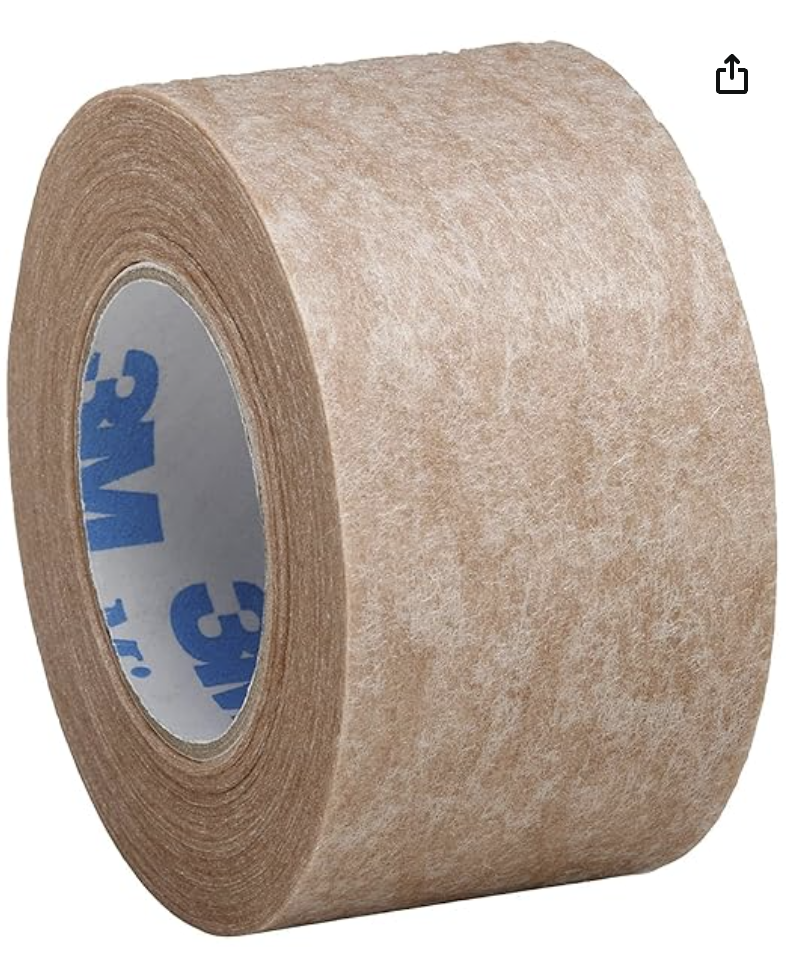
3M Micropore Tape

Apply 3M Micropore surgical tape along the length of your scars continuously for the first six weeks minimum. The tape is changed every 10 to 14 days. It protects healing skin from tension, reduces scar widening, and keeps the scar flat during the critical early remodelling phase.

After 6 weeks

Solution for Scars

Once the tape phase is complete, "Solution for Scars" cream is recommended to moisturise and desensitise maturing scars. Regular massage with the cream helps soften the scar, improves skin texture, and reduces the sensitivity that is common in healing wounds.

Ready to take the next step?

Mr. Blackburn will guide you through every aspect of preparation and recovery at your consultation.

Book a Consultation